Your cart is currently empty!

REHOMING AN AGGRESSIVE DOG
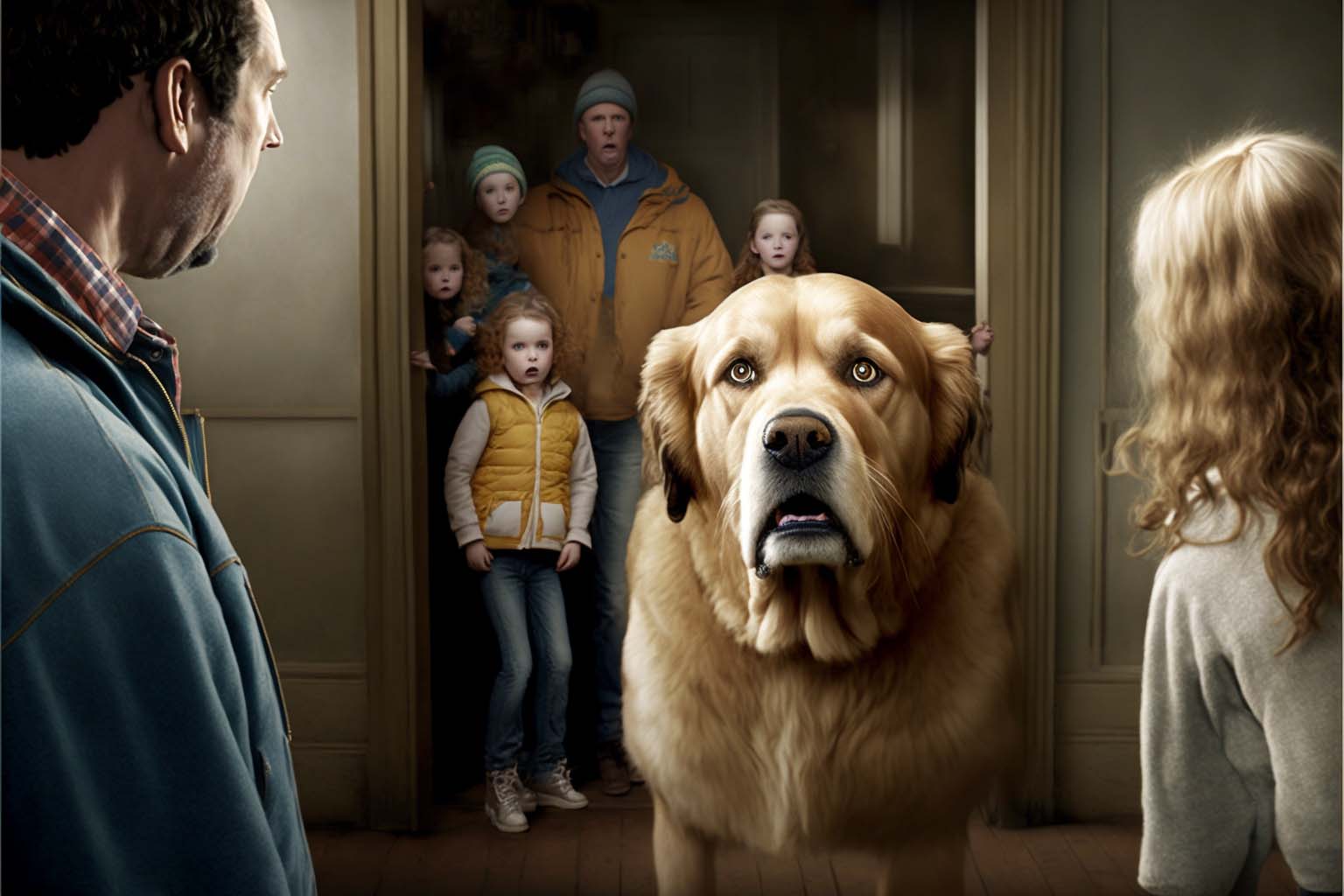
Dealing with dog aggression can be stressful. It can cause conflict with those around you as well as bring up feelings of frustration, guilt and despair. This make us vulnerable to being influenced by anyone who has anything to say about it.
Before considering rehoming or euthanasia, ask yourself if you are considering this decision because:
- You are afraid you won’t be able to improve the aggression problem, or
- You don’t wish to do the work
Let’s look into these situations in more detail.
“I’m worried I won’t be able to improve the aggression”
Before you give up, consider the following:
- While dog aggression is rarely “cured” because all dogs have the potential to be aggressive the way we all have the potential to lose our temper, it can often be fully controlled [1]
- Most aggressive dogs do not need to be euthanized [1]
- Most owners of aggressive dogs are told by someone (a veterinarian, friend, trainer, family, etc.) to euthanize their dog.
- Many people get advice that actually makes the aggression worse.The challenge in looking for help is that we only get partial advice from a the web or we are often given the wrong advice by trainers (including some celebrity trainers) and even veterinarians on how to handle the aggression. In many cases the advice actually makes an aggressive dog worse (see 5 Treatment Methods to Avoid), and can actually be dangerous.
Improving your dog’s aggressive behavior
It’s important to realize that your dog is probably doing the only thing he or she can to cope with the situation. Some aggression occurs as a result of misunderstanding people, in other cases it is a result of fear or anxiety or frustration. But there are many things you can immediately do, from changing your dog’s environment so that they are less stressed and better adjusted to acting on certain behaviors before the aggression even starts to teaching your dog to act in ways that are incompatible with acting aggressively.
You need a program based on credible science to help your dog that does not involving intimidating, scaring or hurting your dog and is designed to keep everyone safe while working through like what you would find in The Dog Aggression System Every Dog Owner Needs e-book.
In a study completed by Dr. Radosta while at the University of Pennsylvania of dogs who were diagnosed with owner directed aggression, 86% of the owners reported that their pet’s behavior had improved when interviewed 6 months after their appointment. 88% reported that their dog’s anxiety and fear were improved and 98% said that they were satisfied with the treatment that their pet had received. [2] Keep in mind that these behavior clinics tend to see the most serious cases. Other similar reports from other veterinary behaviorists have been made with dogs that have been treated with the methods that are designed to reduce anxiety and retrain and may include pharmaceutical treatments. This indicates real hope for owners of aggressive dogs.
Success rates for trainers, specialists, or other regular behaviorists cannot be verified at this time.
What can I do right now?
- Avoid the situation that sets your dog off. Whatever you need to do, just do it. Dog owners come up with a thousand reasons why they can’t change their lives. But you can and you should. With some thought and planning, this one is easier than it seems. Learn more about managing your dog to avoid aggressive situations.
- Invest in a head halter and/or muzzle. Head halters don’t prevent biting, but if your dog is aggressive towards others, using a head halter properly will give you a lot of control. It is not right for all dogs and it must be fitted and used properly. Desensitizing your dog to wearing one will go a long way. Head halters are not right for every dog. You may have to invest in a basket muzzle if you can find one to fit, or failing that a halter that allows you to control the dog. Keep in mind that it is easy for dogs to pull leashes out of people’s hands.Learn more muzzles.
- Teach your dog to defer to you. This is great for all dogs. There is something about sitting calmly that helps dogs. It’s the first step towards teaching your dog to relax when requested which is essential for a behavior modification program. But if your dog is aggressive towards you, sometimes this protocol is all you need to do. You might want to look at various treatment options and what methods to avoid.
“I don’t want to do the work”
If you don’t want to do the work, or unable to, and your dog can safely be placed in a new home, then the best option is placing your dog, if your dog is not too aggressive to be placed.
However, rehoming is a huge challenge as you are handing off your problems to someone else. Most people would rather rescue any other kind of dog than an aggressive one. In addition there are legal and liability issues to be concerned with. And moving a dog between homes is often highly stressful on your dog. Stress can make aggression worse.
However in some cases, where the owners in unwilling or unable to work with their aggressive dog, the potential for improvement may exist in a new home either because the stimulus that prompts the problem doesn’t exist or the person who adopts the pet is willing to work with the behaviorial problems and provide and stable and better quality environment for the dog that will help them get better. However, it is difficult to find these people. Full disclosure should always be made, along with any veterinary behaviorist reports provided to the new owners. Not disclosing your dog’s history sets your dog up for failure and you for greater liability issues.
In some cases, rescue organizations, particular those focused on rescuing particular breeds may be will to take the problem dog provided they can talk to a specialist. Shelters can be stressful for dogs, as the dogs are often isolated, mentally under stimulated, and the environment can be noisy. Rehabilitation in shelters can be difficult because the shelters usually don’t have the resources to manage the training long term.
Consider:
- Breed rescues
- Putting ads in the paper or online
- People who know and like the dog
- Using your network
However, think carefully about whether rehoming your dog is truly the most responsible things to do and whether or not it is actually in the best interest of the dog.
K9aggression.com is not involved in any way in rescue or in the rehoming of dogs.
Footnotes
[1] Clinical Behavioral Medicine For Small Animals, Dr. Karen L. Overall, 1997
ADVERTISEMENT
Keep people away with our Stand back shirts
Anxious Dog Shirts only available in our shop