There are several ways to define “behavior”, but one of the ways behavior can be defined is the way an animal or human reacts to a particular situation (or stimulus). Behavior Modification, sounds like a technical expression trainers or psychologists use, but it really means a systematic approach to changing behavior.
In other words, unlike dog obedience training that trains a dog to perform specific actions when requested, behavior modification looks to modify a dog’s reaction to situation, a person, a thing, and animal, etc.. Usually we focus on behavior because a dog can’t tell us how he or she is feeling, but behavior modification hopes to positively affect these internal states.
Desensitization and counter-conditioning
Some individuals mistakenly equate behavior modification for dogs solely with desensitization and counter-conditioning techniques. While these methods are indeed valuable components of behavior modification, they represent only a fraction of the broader spectrum of strategies available.
Desensitization involves gradually exposing the dog to the stimulus that triggers the undesired behavior, starting with a low-intensity version and gradually increasing exposure as the dog becomes more comfortable. Counter-conditioning, on the other hand, involves pairing the presence of the trigger with a positive experience, such as treats or praise, to change the dog’s emotional response to the stimulus from negative to positive.
While desensitization and counter-conditioning are powerful tools for addressing specific behavior issues, these methods require a foundational set up to be effective. Behavior modification encompasses a much wider array of techniques and approaches.
Foundation Training
Before introducing the dog to potentially triggering stimuli, such as other dogs or loud noises, it’s crucial to ensure they have mastered basic obedience commands and can maintain composure in familiar, low-stress settings. For example, dogs should be able to sit and stay calmly in environments like the kitchen, living room, or a peaceful backyard without becoming overly excited or distracted.
The owner/dog relationship bond should be established, repaired or strengthened. Obedience training can help increase trust and respect between the owner and the dog, and is a useful took for sdeveloping better communication between you and your dog. Obedience training can also provide mental stimulation which can be a good outlet for excess energy your dog may have, and this in turn can reduce boredoom and frustration that might be a factor in your dogs reactive or aggression.
Environmental concerns should also be addressed, from reducing stress, to providing the right kind of stimulation.
Positive Reinforcement Training
Using rewards such as treats, praise, or toys to reinforce desired behaviors and encourage their repetition. This approach focuses on rewarding what the dog does right rather than punishing what it does wrong.
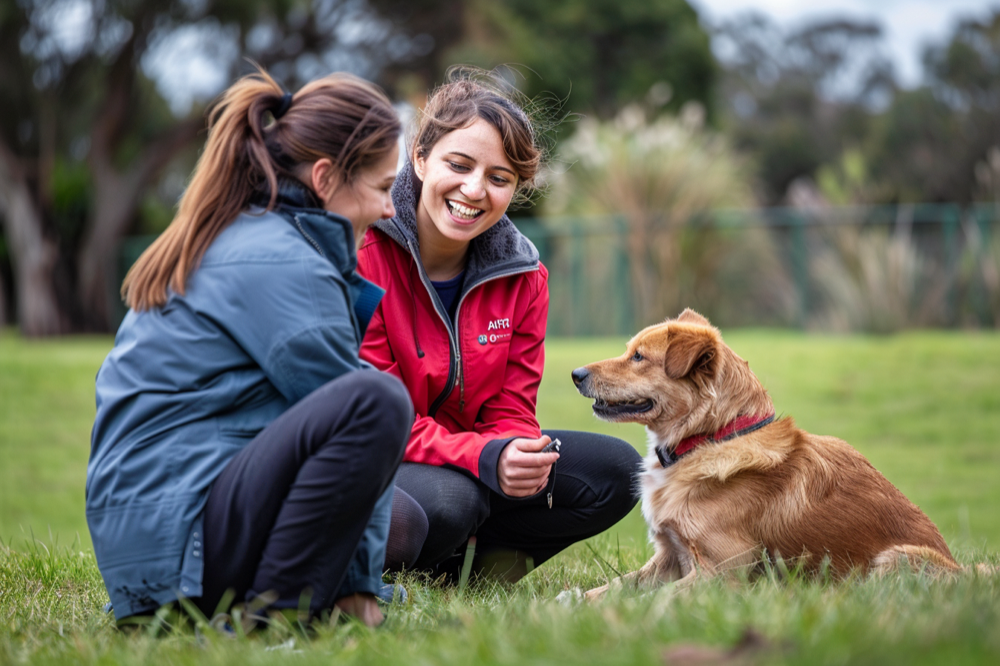
Behavior modification makes use of positive reinforcement training techniques to teach a dog certain behaviors as how to sit and stay. However these taught behaviors are called on as tools in an overall program that hopes to change how the dog thinks, feels and acts. Lying down and “sit-stay” (where the dog sits when asked and stays seated until given the signal to go) may encourage self-control, deference and relaxation for example in combination with other methods when used in the right way at the right times.
Sit-stay or down-stay behaviors can be helpful, but if we only focus on what the dog does, we may not be looking for the subtle signs that indicate anxiety and what indicates relaxation.
Negative Reinforcement Training
The use of the word negative is confusing for people in this method. People assume that negative means unpleasant and therefor is the same as punishment. However, in this case it means removing or taking something away. This removal can result in a positive or a negative experience.
The classic definition means removing or avoiding a negative stimulus when the dog performs the desired behavior, thereby reinforcing that behavior. This can involve techniques such as leash pressure release or removing a scary object when the dog behaves appropriately.
This method can be tricky to use in behavior modifcation for aggressive dogs. We need to remember that the state of anxiety is highly unpleasant and may be the only learning experience that sticks in this scenario, undermining your efforts.
Punishment Techniques To Avoid
Some behavior modification programs may incorporate punishment for undesirable behaviors. But we need to understand that aggression is not merely behavior to “correct”. The exprience of anxiety is usually worse than punishments. Aggression is often behavior that helps the dog cope.
Adding punishment merely creates an even more unpleasant experience and potentially makes a dog more willing to take the risk of behaving aggressively sooner over the long-term. Punishment should also be avoided with aggressive dogs because it generally increases anxiety and by extension aggression, instead of reducing it.
Learn more about how to treat dog aggression.
Changing the behavior AND the attitude
Behavior modification means not just changing the behavior and treating the under-lying issues that have resulted in the attitude. Treating the underlying problem is essential to prevent long-term worsening of the issue. Therefore our ultimate goal is to alleviate anxiety and then create situations where they can learn different associations and alternative, more positive ways to cope and respond.
Unfortunately, you can make your dog worse by pushing your dog into more than he or she is ready for. This is one of the most common mistakes dog owners make.
Changing our dog’s internal state requires keeping it positive and giving them ample opportunities to succeed. This requires:
- Recognizing subtle behaviors indicating discomfort
- Clearly communicating expectations to the dog
- Ensuring they comprehend our expectations and can execute the desired behavior.
- Setting them up for success and only progressing as they indicate they are ready
Similar to how a child needs to learn the alphabet before reading a book, dogs require foundational understanding before behavioral changes can occur.
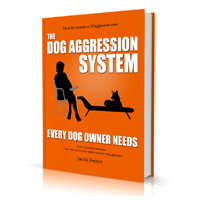
Our K9aggression.com E-book outlines the various steps and startegies on how to set your dog up for success and the common mistakes to avoid. In addition, a qualified professional can help you tailor the blueprint outlined in the ebook into a specialized plan that is customized for your life and your dog.
Our Who Can Help page can offer some guidance on the kinds of professionals that can help you if you need, too.
TREATING DOG AGGRESSION
Learn more about how to treat dog aggression.