Your cart is currently empty!

Treating Dog Aggression: Your Guide to Understanding Treatment

Does your beloved dog sometimes display aggression? Living with a dog who shows aggression can be scary and frustrating. But here’s the good news: you’re not alone. Dog aggression is a common issue, but there’s hope.
This article, “Unleashing Peace,” gives you a roadmap to navigate this challenge. We’ll explore the causes and equip you with practical management techniques to keep everyone safe. It’s a starting point – for a personalized plan, check out our e-book, The Dog Aggression System Every Dog Owner Needs. This resource dives deeper and offers step-by-step guidance to create a treatment plan specifically tailored to your dog’s unique needs.
In this article:
1. Dog Aggression: What To Do First
Often, owners facing dog aggression might deny the problem or downplay its seriousness. While there are reasons behind dog aggression, once you recognize a pattern, it’s time to take action. The first step? Management and prevention.
Management and Prevention
The first step to management and prevention is to get a better idea of what is happening and why and when. In doing so, you can start to build out your plan.
Analyze
Your first step is to analyze the situation so you have a good idea of what happens before the aggression occurs and what scenarios it happens in. What type of aggression is it? Even if you aren’t clear why the dog is doing the things it’s doing, most people can at least predict scenarios where the aggression is likely to happen.
Next look for patterns in what happened immediately before the aggression. This will give you a better idea of why the aggression is happening. Not only that, it will help you avoid similar situations in the future. Then you will be better prepared to manage and prevent.
Manage and Prevent dog aggression.
Management and prevention as part of treating dog aggression is less about using tools to prevent aggression like muzzles or head halters. Instead, it is more about avoiding and finding alternatives to scenarios where your dog is anxious or frustrated enough to behave aggressively.
Management is also about training dogs to do behaviors that can allow you to manage situations better. But this takes some time. To begin with, avoidance is the best strategy.
Management and prevention won’t improve dog aggression but it’s critical to prevent your dog from behaving aggressively for two critical reasons:
- Every time your dog is exposed to situations that make him or her anxious, fearful, frustrated, or aggressive, the problem gets worse.
- Safety. Aggression tends to escalate
Return to the table of contents
Examples Of How to manage Problem Situations
- Your dog reacts badly when you try to move them while they’re resting. Alternative: don’t move or touch them physically. Instead, get a treat and call them over to another area instead. Yes, they might keep jumping back up where they were. Make a more suitable sleeping area. Reward them to stay there.
- If you have two dogs that fight over toys or food, separate them in those situations.
- If your dog is bad with house guests put them in an enclosed area away from the people like in another room with something to do.
- If your dog goes after strange dogs, walk them at a time or place where they are not likely to meet them or prevent enough space between your dog and the threat that your dog doesn’t feel the need to react.
- If you are really stuck, you might be able to use treats as a way to distract your dog from getting worked up.
- Long term:
- Teach and train your dog to touch your hand on command as a way to move them in small areas.
- Teach your dog to sit.
- Teach your dog to stay by remaining both sitting and lying down.
Health Check
Always get your dog evaluated for any health problems when they behave aggressively.
2. Creating a Dog Aggression Treatment Plan
Behavior modification is a very important technique but if it is not carried out correctly it can cause problems (see the blog post The importance of getting your dog’s attention at the earliest stage of aggressive arousal for one example). Much of the time we fail because we either get second-hand information or incomplete information on what is involved. Improving dog aggression is more complex than simply giving your dog a treat when they start showing aggression.
However, creating a plan for improving dog behavior is not as difficult as it may seem when you have the right information and support. There are even steps you can take right now before you decide to consult an expert in dog aggression. Unfortunately, some training techniques, can either prevent, slow down progress, or in some cases make your dog worse in the long term.
For example normal dog might be able to cope with methods that rely on scare tactics, pain, discomfort, or intimidation but these tactics can cause additional problems for a dog who has shown any kind of aggressive behavior (see more on 5 treatment methods to avoid). When that happens many people don’t know where to turn. Some consider euthanasia, others rehoming.
That’s why it is critical to find the right treatment plan for your dog right away; one that is designed to actually improve the life of your dog and keep those around safe. With a good treatment plan that is based on science (and not charisma and storytelling), and getting support either from a support group if your problem is not too serious or from a good professional who can help, it is usually possible to improve your dog’s behavior.
Return to the table of contents
Treatment and management: 3 main areas for changing aggression in dogs:
There are three clusters involved in treating aggression that should be considered. The three areas could be broadly grouped as:
- Cognitive & Learning
- Psychological
- Physical
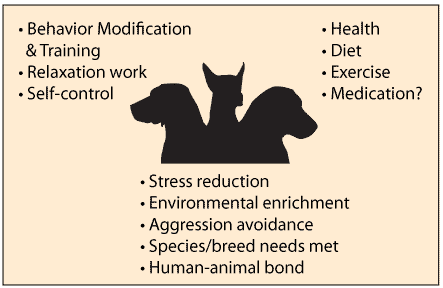
However, there is a lot of crossover. Learning a behavior can affect physiology and psychology. However, it can be helpful to think about it in these three areas. Learning requires understanding and predicting. Whereas psychological aspects of improving aggression deal with more of the emotional side of the situation. Finally, there are physical aspects. Behavior Modification affects learning, psychological, and physiological states. All three areas states work together.
Then there are physical aspects we can act upon such as diet, exercise, or medicines that can make a difference. Let’s explore these broad areas in more detail.
1. Cognitive and Learning
While aggression is primarily a physiological response to a situation that causes an emotional state that is challenging to cope with, the process of cognition and learning is used to affect change in different ways:
- Changing what a dog does
- Changing what a dog feels
A. Changing what a dog does – Focusing on behavior
Many people believe that an aggressive dog is simply a poorly trained dog. However, this isn’t always the case. While a well-trained dog might be easier to manage, obedience training alone won’t necessarily solve aggression. Here’s why:
Teaching your dog to sit and stay or come when called, etc. will not improve dog aggression because it doesn’t deal with the root causes.
The Root Cause of Aggression
Dog aggression often stems from anxiety. Teaching your dog basic commands like “sit” and “stay” won’t directly address this underlying anxiety. These aren’t the only causes of aggression. To learn more about this in-depth, check out Unveiling the Mystery: Causes of Aggression.
But that doesn’t mean that training doesn’t have an important role in treating dog aggression. It’s just important to separate where training helps. Let’s explore further.
The Role of Training in Managing Aggression
Training plays a crucial role in managing aggression. A well-trained dog is more responsive to your commands, allowing you to better manage situations that might trigger aggression.
Here’s how training helps:
- Gaining Attention: Being able to easily get and hold your dog’s attention allows you to potentially redirect them before they react aggressively.
- Avoiding Aggressive Behavior: The more you can prevent your dog from acting out, the less they practice aggression, making them easier to manage in the long run.
Examples of Training for Management
For example, if your dog gets fixated on a stranger, you could use training to:
- Get their attention: With a well-trained “look” command, you can redirect your dog’s focus to you.
- Distract them: Use a trained “touch” command to have them focus on you while you offer a treat for distraction.
- Move them away: A trained “come” command allows you to move your dog to a safe distance from the trigger.
Training To Prepare for Behavior Modification
Some valuable behaviors to train include:
- Sit
- Lie down
- Pay attention (look at you)
- Go to a designated spot (mat)
- Come when called
- Touch your hand
These behaviors serve two purposes:
Barometer of Calmness: Once trained, these behaviors can indicate your dog’s emotional state. Difficulty performing them might signal that your dog is feeling anxious and nearing their trigger zone.
Behavior Management: These commands help you manage situations that could lead to aggression.
Return to the table of contents
B: Changing how a dog feels: Focusing Physiological Responses
Behavior Modification
Behavior modification is different from dog training but there is a lot of cross-over. Although the term behavior modification suggests that it is about changing behavior, the real goal is to affect change in physiological responses to certain external triggers. In simpler terms, this usually means reducing stress or anxiety in situations where our dog doesn’t need to feel threatened.
Therefore you can look at training as teaching your dog to sit stay or get and keep your dog’s attention, and behavior modification about your dog learning to be more relaxed around those things that trigger their aggression.
Accordingly, through behavior modification, you can change how an aggressive dog responds to certain situations. Most aggressive or reactive behavior can not change without behavior modification. Learn more about what is behavior modification.
Targeted behavior modification, specifically meaning working with your dog around his or her triggers, is often the place the first place people jump in and often where people fail and decide it “doesn’t work”.
If you push your dog too far or too fast in behavior modification, you risk making him or her worse. If you want to learn more you may want to consider purchasing The Dog Aggression System Every Dog Owner Needs which goes into this in detail.
A retraining, or relearning program should offer a systematic – and positive – approach to changing your dog’s behavior that sets your dog up for success. And while you might consult a trainer or behaviorist, you are ultimately the one who will carry out the program with your dog so it is important you understand what is involved and you have the support and understanding you need to carry it out effectively.
Behavior Modification Foundation Work
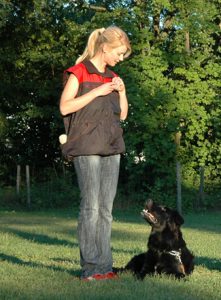
For this purpose, treatment programs typically begin with foundation work, incorporating easy-to-implement passive practices. These practices teach your dog to sit, relax, look at you, and wait for cues, giving them a clear understanding of what’s expected. These programs are sometimes called Foundation or Deference Training as well as Relaxation Training.
These programs teach your dog to be calm in situations where they can succeed in being calm and then build up to more challenging situations such as non-threatening distractions. Because these dogs don’t always know if a situation is threatening or not, they learn to take their cues from you. These programs help you and your dog prepare for more targeted and direct behavior modification.
Return to the table of contents
Targeted behavior modification
While foundation training teaches a dog what it means to feel calm and look to their human for cues on how they should respond, targeted behavior modification is specifically tailored to address the dog’s particular set of issues.
In this way, targeted Behavior Modification typically involves different approaches that aim to change your dog’s responses to the specific situations that make him or her stressed or anxious. Quite often a combination of approaches will be used that capitalize on the different ways dogs learn and adapt.
The success of most Targeted Behavior Modification approaches heavily relies on the previously described foundation exercises. They need preparation before they deal with their fears or anxieties. This important work is often skipped or rushed through simply because people don’t understand exactly why it is so important.
Teaching Self-control
In addition, there are other exercises that you can practice with your dog that will help them develop better self-control, including self-control over their emotions. This too, makes targeted behavior modification much easier and more effective.
We all understand willpower. What we don’t often know is that the ability to control ourselves is like a muscle that can be both exhausted, but also further developed. Working with your dog to develop their self-control is a valuable preparation to help them keep their stuff together when it comes to behavior modification.
Return to the table of contents
Where Behavior Modification Fails
Behavior modification is not new in science, nor is understanding how humans and animals learn. Behavior modification has been long proven to be successful. That said, there are many reasons why dogs don’t improve through behavior modification.
Dogs may also have other psychological or physical issues that are interfering with progress. The intensity of the aggression and the length of time the problem has existed will also affect outcomes.
But sometimes failure falls on the humans. Making long-term change is a marathon and not a sprint and behavior modification takes commitment and a certain amount of belief that we can make change happen.
People also fail because they have not been taught:
- How to plan a complete treatment program to ensure your dog is set up for success.
- How to recognize clear warning signs that your dog expresses that tell you how slow or fast to proceed.
- Action you can take along with behavior modification to make things much easier and more effective.
- Things you might be doing that is blocking your dog from learning what you intend them to learn
- How to avoid the traps and pitfalls that go hand in hand with any training program
Return to the table of contents
2. Psychological

Humans grossly underestimate the needs of dogs.
For a dog who is showing signs of inappropriate aggression, meeting these needs is extremely important.
Boredom, unnecessary stress, unpredictable change, anxieties, confusion conflicts, frustration, and insecure attachments can make the best of us difficult to deal with. Sadly, much of what we do or don’t do contributes to challenges in the lives of our dogs.
Therefore, improvements might include an approach to develop and enhance trust in your relationship with your dog. Additionally, strategies to prevent boredom may help reduce frustration. Similarly, changing where or how often you walk your dog for exercise, or how you greet guests in the home may reduce anxiety. It may even include regularly changing what your dog plays or interacts with, and/or allowing your dog plenty of time to sniff on walks.
However, the single biggest psychological change we can influence involves preventing situations from occurring where our dog feels the need to continue to behave aggressively. Because each time our dog has the opportunity to behave aggressively, the aggressive behavior sequence gets practiced, the response becomes quicker to be triggered and their brain becomes more and more effective at it. As a result, over time behavior sequences get shortened. Important behavior communication becomes at risk of disappearing as the dog goes straight to the extreme response. chronic stress causes other changes and a downward spiral in health and wellbeing occurs.
3. Physical
From diet to exercise to health, all of the physical elements of our dog can and will affect our dog’s behavior and mental health. This is why getting your dog checked out by your vet is one of the first things we recommend. A high percentage of dogs seen by behavior clinics also have medical issues so this needs to be ruled out. Unquestionably, pain and sickness or changes in a dog’s physiology are going to complicate improving behavior.
We have got to the point where we’ve become immune to messages about diet and exercise because we hear them so often, and making changes in those areas is often challenging.
But diet and exercise can have a direct influence on aggression, too, and we may find making changes in this area of our dog’s life much easier and is worth discussing with a vet or ideally veterinary behavior for our specific dog’s issues.
Diet and Aggression
Research explores the impact of various diets on dog behavior, including low-protein, gluten-free options, and supplements. For this reason, investigating changes in diet might be worth considering depending on your current routine and the underlying cause of your dog’s aggression.
Emerging Research: New research suggests the gut microbiome (gut bacteria) may influence behavior and mental health in both humans and dogs. While much remains unknown, early studies show potential patterns in aggressive dogs.
Talk to Your Vet: Discussing your dog’s diet with your veterinarian, especially a behaviorist, can be a helpful step. Additionally, some foods might simply disagree with your dog.
Beyond Picky Eating: Don’t mistake a disliking for food as mere pickiness. They may genuinely dislike what you are serving or their stomach may be unsettled. Also, acute and chronic stress can affect appetite. Switching to a healthier food option could benefit some dogs.
Exercise
Many owners hope the exercise will tire their dogs out and prevent aggression. While exercise is crucial for dogs, sheer exhaustion isn’t the answer. An overly tired dog might become less tolerant, not calmer. Exercise can actually make your dog more physically capable, making them harder to tire out in the long run. Continuously pushing them to exhaustion can also lead to injuries.
The type of exercise and your dog’s baseline stress levels also matter. Activities like coursing, flyball, or competitive agility might overstimulate some dogs, leading to more arousal and potential aggression.
Walks could even contribute to your dog’s stress if they cause frustration, fear, or anxiety. For example, fearful dogs won’t benefit from walks filled with strangers. In these cases, explore alternative exercise options.
However, exercise is well-established to improve mental well-being. An under-exercised dog is more likely to exhibit aggression.
Consider discussing your dog’s exercise routine with a veterinary behaviorist for personalized advice.
Medication and Dog Aggression
Some owners see medication as a quick fix, while others fear it will negatively affect their dogs. It’s understandable to worry about medicating your pet, especially since they can’t communicate their feelings. However, for some dogs with aggression, medication is crucial for successful behavior modification.
Why Medication Matters: Dogs who need medication often experience high anxiety levels that hinder their ability to learn. Medication can help manage this anxiety, creating a foundation for effective behavior modification techniques.
Considering Medication: Talk to your veterinarian or a veterinary behaviorist when you’re concerned about your dog’s aggression, especially when your dog displays other unusual or excessive behavior. They can assess your dog’s needs and determine if medication can be a beneficial part of their treatment plan.
Want to Learn More? Check out our article on “medications used for treating dog aggression.” for a deeper dive into this topic.
Return to the table of contents
Punishment Methods: A Flawed Approach to Dog Aggression
Behavioral science has a long history of studying how to change behavior. Punishment is one method used for both humans and animals. The basic idea is that by following an unwanted behavior with something unpleasant, the frequency of that behavior will decrease.
However, some trainers argue that punishment is necessary for safety and to prevent euthanasia.
Why Punishment Fails for Dog Aggression
This view unfortunately overlooks the complexity of dog aggression. Punishment is neither effective nor safe for long-term treatment.
Dog aggression isn’t simply “bad behavior.” It’s a coping mechanism for an extremely unpleasant internal state, often caused by anxiety, fear, pain, or frustration. Another way to look at it is aggressive behavior is a dog’s way of trying to cope with or resolve intense emotions.
Dogs showing aggression in non-threatening situations aren’t behaving normally. Treating them as simply “bad” can be dangerous.
The Pitfalls of Punishment
While punishment might temporarily suppress aggression, it also creates additional stress and frustration for your dog. This can push them to a point where they no longer care about the punishment when faced with a perceived threat.
Punishment doesn’t make your dog calmer or less anxious. It also doesn’t teach them that a perceived threat isn’t real. Therefore, it fails to address the root cause of the aggression.
Summary: The Risks of Punishment
Punishment can not only be dangerous but also contribute to increased aggression in the long run. For a deeper dive into the dangers of bad dog aggression advice, check out the world’s worst dog aggression advice for more.
Safety First: Unpredictable Situations
Life can be unpredictable, and unexpected encounters are bound to happen. Dogs and people might appear suddenly, so it’s crucial to prioritize preventing harm.
Your key goal is to stop biting and lunging. This means being able to quickly move your dog away from the trigger.
Muzzle for Safety: The best tool for preventing bites is a muzzle. However, a muzzled dog can still lunge and potentially scare others.
Head Halter for Control: Many veterinary behaviorists and trainers recommend head halters because they offer more control when used properly. While a dog can still bite with a head halter, it gives you greater control over their head movement, allowing you to:
- Prevent lunging: The head halter restricts their ability to lunge forward.
- Close their mouth (in some cases): With proper technique, you might be able to briefly close the dog’s mouth.
- Steer them away: The head halter allows you to guide your dog away from the situation.
See How to Fit a Head Halter: Check out our guide on how to fit your dog with a Gentle Leader like a pro.
Return to the table of contents
Questions
How Likely Is It That Dog Aggression Can Be Successfully Treated?
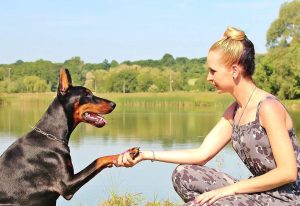
Behavior clinics such as the University of Pennsylvania School of Veterinary Medicine have a very high success rate with 90% of aggressive patients improving to the extent that the owners are happy to keep them. (We do not have any verified data on other behaviorists’ or trainers’ success rates).
We also don’t know how many of these owners have accepted their dog’s issues and have just decided to manage the aggression by avoiding it altogether rather than improving the aggression. But what the numbers suggest is that there is hope that you can enjoy life with your dog provided you take steps to keep everyone safe.
The challenge is that there can be a long waiting list to get an appointment with these clinics. However, there are steps you can take immediately.
If you are interested in learning more about what you can do to treat dog aggression, check out the e-book, The Dog Aggression System Every Dog Owner Needs. It will give you suggestions on how to live with an aggressive dog on a day-to-day basis as well as provide you with a number of options and considerations that can help you help your dog.
Should you avoid the things that cause your dog to be aggressive long term?
Avoiding Triggers vs. Treating the Cause: While our natural instinct is to shield our dogs from anything that triggers aggression, this isn’t always practical. Life throws curveballs, and unforeseen situations can arise. Therefore, focusing on treating the underlying cause of aggression is crucial.
Treatment and Triggers: During the initial stages of a behavior modification program, avoiding trigger situations makes sense. Your dog’s behavior hasn’t been modified yet, and encountering triggers could worsen their reaction. However, the ultimate goal of the program is to reduce your dog’s anxiety and reactivity around those circumstances. Remember, aggression is just a symptom of a deeper issue.
Beyond Avoidance: As your dog progresses, the focus shifts from complete avoidance to preventing situations that create overwhelming anxiety. Learning to recognize subtle signs of anxiety in dogs is key. These signs can be easy to miss, even for experienced dog owners.
Can Punishment Ever Interrupt Dog Aggression in Progress?
It’s common to scold growling and other displays of aggression. This is a mistake.
Prior to an active attack, growling, snapping, lunging and snarling behaviors are warning signals. Therefore we should always regard growling, snarling, etc. as communication that the dog is deeply uncomfortable and move the dog away from the situation as soon as possible.
In the midst of an actual attack, punishment is usually ineffective as it compounds the already negative state the dog is in and may contribute to the aggression. People also risk redirected aggression so it can be dangerous.
The best course of action is to distract or physically prevent the dog from continuing to be aggressive. This is an extremely dangerous situation. It is best to avoid any situation where aggression is likely to occur.
De-Escalating Mild Dog Aggression: Distraction and Removal
When a dog shows mild aggression but hasn’t attacked yet, you might be able to de-escalate the situation. Here’s how:
Distraction with Treats or Toys:
- If the trigger is external: If the trigger is something outside of you (a stranger, another dog), try distracting your dog with treats or a toy. The goal is to: grab their attention and create distance between them and the trigger. How it works: Many dogs are naturally drawn to moving objects, so a thrown treat or toy can redirect their focus. Important note: This doesn’t “reward” aggression, it simply disrupts their emotional state.
- If the trigger is you: If your own presence triggers the aggression, try throwing treats or a toy away from you. The movement might divert their attention. However, be aware that this may not work for all dogs, and some might react negatively to sudden arm movements.
Distract and Remove:
- The key: If distraction works, quickly remove your dog from the trigger zone while continuing to distract them until they calm down.
Training for Interruption
While not always effective in highly aroused dogs, training your dog to perform a specific action can be helpful for interrupting mild aggression. Here’s the idea:
Interrupting aggression: In some cases, interrupting an aggressive episode with a familiar command might redirect their focus and allow for de-escalation.
Train a reliable behavior: Choose a command your dog readily performs in various situations (like “sit” or “touch”). Practice consistently using high-value rewards to solidify the behavior.
Habitual response: Dogs are creatures of habit. The hope is that by consistently training this behavior, it becomes an automatic response for your dog.
In Conclusion
Dog aggression can be a stressful experience for everyone involved. However, the good news is that with proper understanding, patience, and the right tools, it’s absolutely possible to help your dog overcome this behavior. Remember, aggression is a symptom, not the root cause. By addressing the underlying reasons for your dog’s aggression and implementing a personalized treatment plan, you can create a calmer and happier future for you and your furry friend.
Living with a Dog Who Shows Aggression
Dog aggression can be a challenging and stressful experience for everyone involved. However, remember, aggression is a symptom, not the root cause. By understanding your dog’s underlying anxieties and implementing a tailored treatment plan, you can create a calmer and happier future together.
Taking the Next Step
If you’re looking for in-depth information and a comprehensive approach to treating dog aggression, consider investing in The Dog Aggression System Every Dog Owner Needs. This resource goes beyond a simple guide; it’s a comprehensive program packed with valuable information and strategies. While there is a cost involved, the knowledge and tools you gain can be invaluable in helping your dog overcome aggression and live a happier life.
Alternative Resources
Remember, this ebook is just one option. There are many resources available online and through veterinary professionals to help you address your dog’s aggression.
Other articles you might be interested in
How to maximize success in treating your aggressive dog
Our favorite books on dog aggression
Featured image by Photo by cottonbro studio
References
[1] Clinical Behavioral Medicine for Small Animals, Karen L. Overall, M.A., V.M.D., Ph.D. Diplomate, American College of Veterinary Behavior, Department of Clinical Studies, School of Veterinary Medicine, University of Pennsylvania, Philadelphia. Pennsylvania, Mosby, Inc. 1997
ADVERTISEMENT
Keep people away with our Stand back shirts
Anxious Dog Shirts only available in our shop